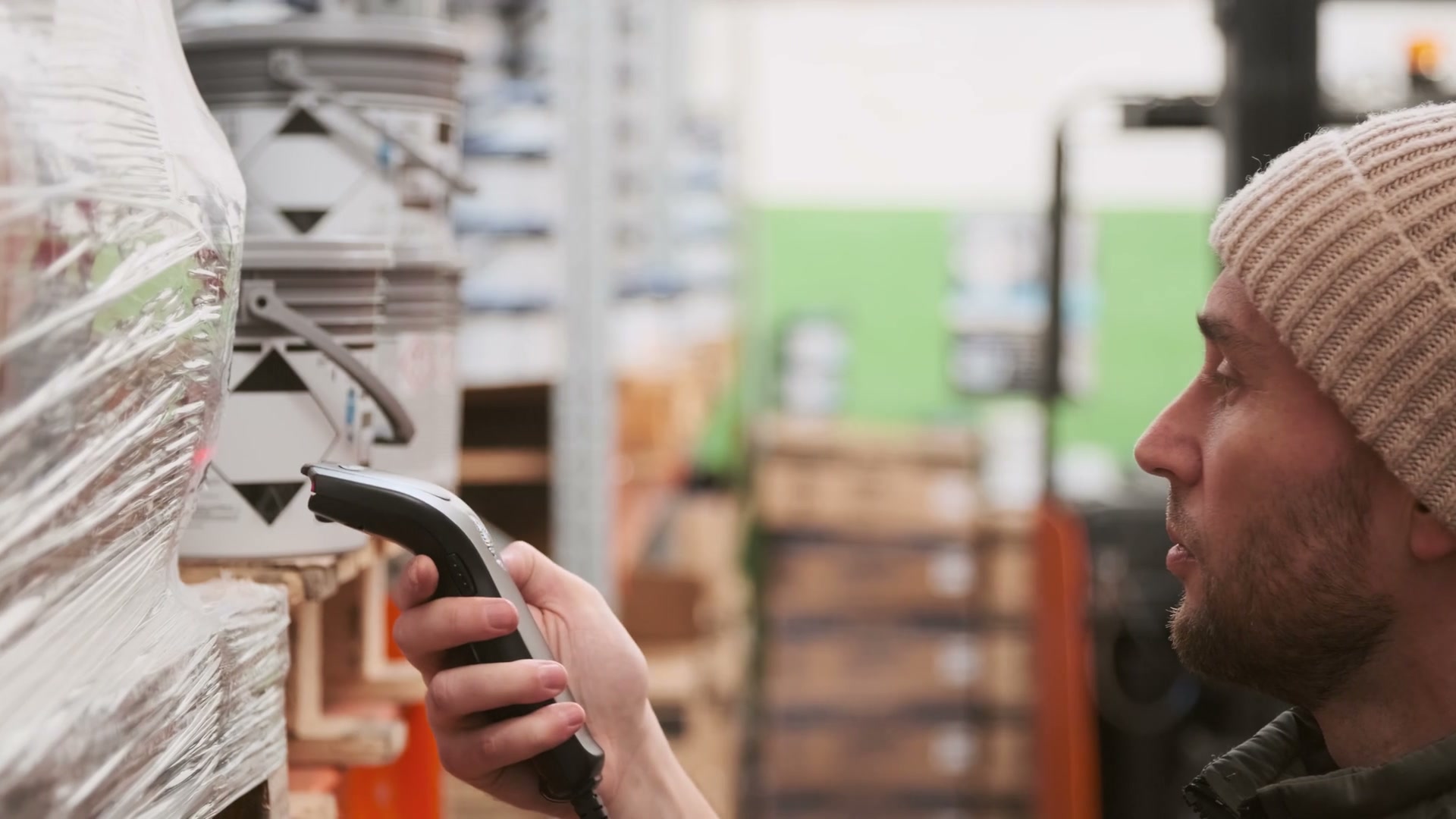
Manufacturing
Start with the station, not the platform. Inspection, inventory, quality, and maintenance at the station. Specify by station, then look for the family that covers most of them.
Open Manufacturing
Industries
A freezer aisle, a plant station, a remote site visit, and a van at the kerb produce four different device, network, and power decisions. These pages record the conditions we design against in each one.
Who this is for
Written for the operations, plant, or field owner who has to keep work moving in a specific place, and for the systems owner who has to make devices, networks, and business systems agree across sites.
An industry page sits above the rest of the site. It records the conditions that apply before you pick a class of equipment, a system design, or a delivery scope. If you skip this step, the same handheld, the same network plan, or the same power station gets asked to do four different jobs.
How to choose
Open the page that names where the work happens. The trade-off that environment forces is on that page, not here.
Start with the station, not the platform. Inspection, inventory, quality, and maintenance at the station. Specify by station, then look for the family that covers most of them.
Open ManufacturingStart with the workflow. Receiving, put-away, pick, pack, ship, and cycle count. Form factor, scan range, and spares follow the workflow, not a single catalogue SKU.
Open Logistics & WarehousingField mobility and site power are two workstreams, not one purchase. Crews in the field and power on the site are two workstreams. Mixing them into one purchase is how an electrical delay becomes a device delay.
Open Energy & UtilitiesDesign for the moment the network is gone. The van, the yard, and the remote visit. Design for the moment the network is gone, then decide what can wait to synchronise.
Open Field OperationsWhere we take a position
We will not start from a product family and retrofit the site. We start from the aisle, the station, the yard, or the van, then specify the device, the network, and — where the grid is part of the problem — the power. Technology and energy can run under one plan; they still keep separate technical, safety, and acceptance paths.
Each environment
These openings are the start of each industry page. Read the one that matches where the work actually happens.
We help manufacturers scope mobility, connected equipment, and — where the grid is part of the problem — site energy around plant conditions, existing systems, and the way work actually moves through the floor.
Continue on ManufacturingReceiving, picking, freezer counting, and yard work put different demands on the device, the network, the accessories, and the support plan. We scope the mobility and integration project around those differences.
Continue on Logistics & WarehousingWe support energy and utility buyers with scoped technology and energy projects: connected assets across distributed sites, mobility for field teams, and generation or storage defined against the load it has to serve.
Continue on Energy & UtilitiesWe help you define the devices, connectivity, access, and power that distributed crews and remote sites need — including what the application does while it is offline and how the work reconciles when the signal returns.
Continue on Field OperationsUseful inputs
You do not need all of it. Tell us the conditions you already know, and we will tell you which of the rest actually changes the specification.
The four environments
How to read these pages
Each page opens with the conditions, names the trade-off that environment forces, and points at the classes and stacks that suit it.
The workflow, asset, site, energy objective, or business system that made this a project. Start here even if the equipment question feels more urgent.
Mobility, connected operations, cloud, embedded intelligence, renewable generation, or storage. Most requirements touch two, and the interaction between them is where the design lives.
Locations, existing infrastructure, interfaces and their owners, equipment, timing, and who signs acceptance. Written early, these shorten a proposal; discovered late, they extend a rollout.
Start here when the conditions are the open question. Start on Products when you already know the job and want to compare equipment classes. These pages record what the environment does to the device, the network, and the power decision before a class is chosen.
Yes, if we write the differences down. Shared enrollment and a shared device family are a usual starting point. Local exceptions — a freezer, a hazardous area, a site with no coverage — go in the site appendix rather than into the rollout as a surprise.
These four are the conditions we publish against because they change the specification in different ways. If your operation sits beside them, say so. We will tell you which page is the closest fit and which exceptions belong in the scope.
Asked before the first call
Where this fits
Once you know the conditions, go to Products for equipment classes, Solutions for the design decisions, or turnkey stacks for the assembled scope. Services sets out what we take responsibility for once the scope is agreed: technical planning, equipment supply, systems integration, and deployment and support.
If sites, quantities, and workflows are known, Request a Quote. If the environment or the interface is still open, Book a Meeting first.
Share the environment, location, approximate quantity or capacity, and timeframe. We’ll identify the missing inputs and confirm the next useful commercial step. Pricing is not instant or binding.
Requirement still taking shape? Book a Meeting instead — no finished specification needed.