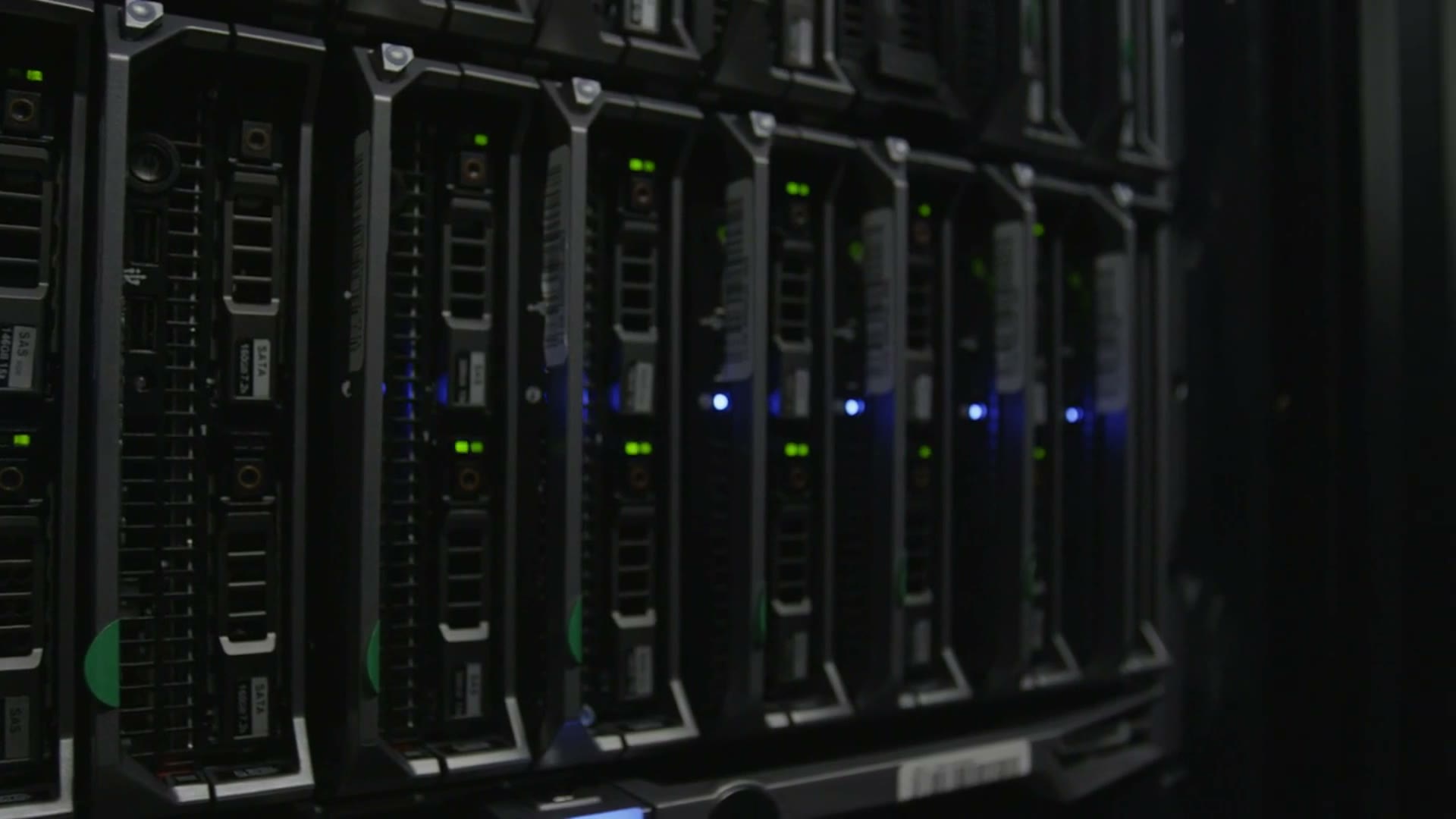
Workload and dependency map
We record what each application does, who uses it, where they are, and what it depends on — before anyone discusses platforms.

Solutions · Technology solution
Your operation depends on applications that were chosen at different times for different reasons. We map workloads, users, locations, and integrations, then define a practical boundary between cloud, edge, and on-premises systems that your sites can actually run.
Who this is for
For the systems owner who has to keep applications reachable from several sites, and for the sponsor deciding what moves, what stays, and what must never stop.
We record what each application does, who uses it, where they are, and what it depends on — before anyone discusses platforms.
We define what belongs in a cloud environment, what stays at the edge or on site, and what the site does during an outage.
We plan how teams, mobile devices, and operational systems reach applications and data across locations, including the access model for shared and rugged devices.
We structure sequencing, validation, cutover, monitoring, and the support responsibilities on each side of the boundary.
Where we take a position
We map the applications the operation cannot work without, who uses them, from where, and what must keep running if the link drops. Sensing what a machine or yard is doing is Connected Operations; this page is the application layer those teams log into.
Useful inputs
You do not need all of it. Tell us what you know, and we will tell you which of the rest actually changes the answer.
Where this runs
We determine the appropriate model during discovery. We propose specific platforms and delivery responsibilities only after the workload, governance, integration, and operational requirements are understood.
Yes, and it usually should. Device fleets, edge systems, and operational integrations can be assessed in the same review when they belong to the same project, because they share the same access and interface decisions.
Asked before the first call
Next step
If you are weighing options, read how mobile and connected systems consume these applications first — that usually settles the boundary question. If the workloads and locations are already agreed, bring the map into a quote review.
Connected operations · How hardware and software connect · Book a Meeting
Share the environment, location, approximate quantity or capacity, and timeframe. We’ll identify the missing inputs and confirm the next useful commercial step. Pricing is not instant or binding.
Requirement still taking shape? Book a Meeting instead — no finished specification needed.