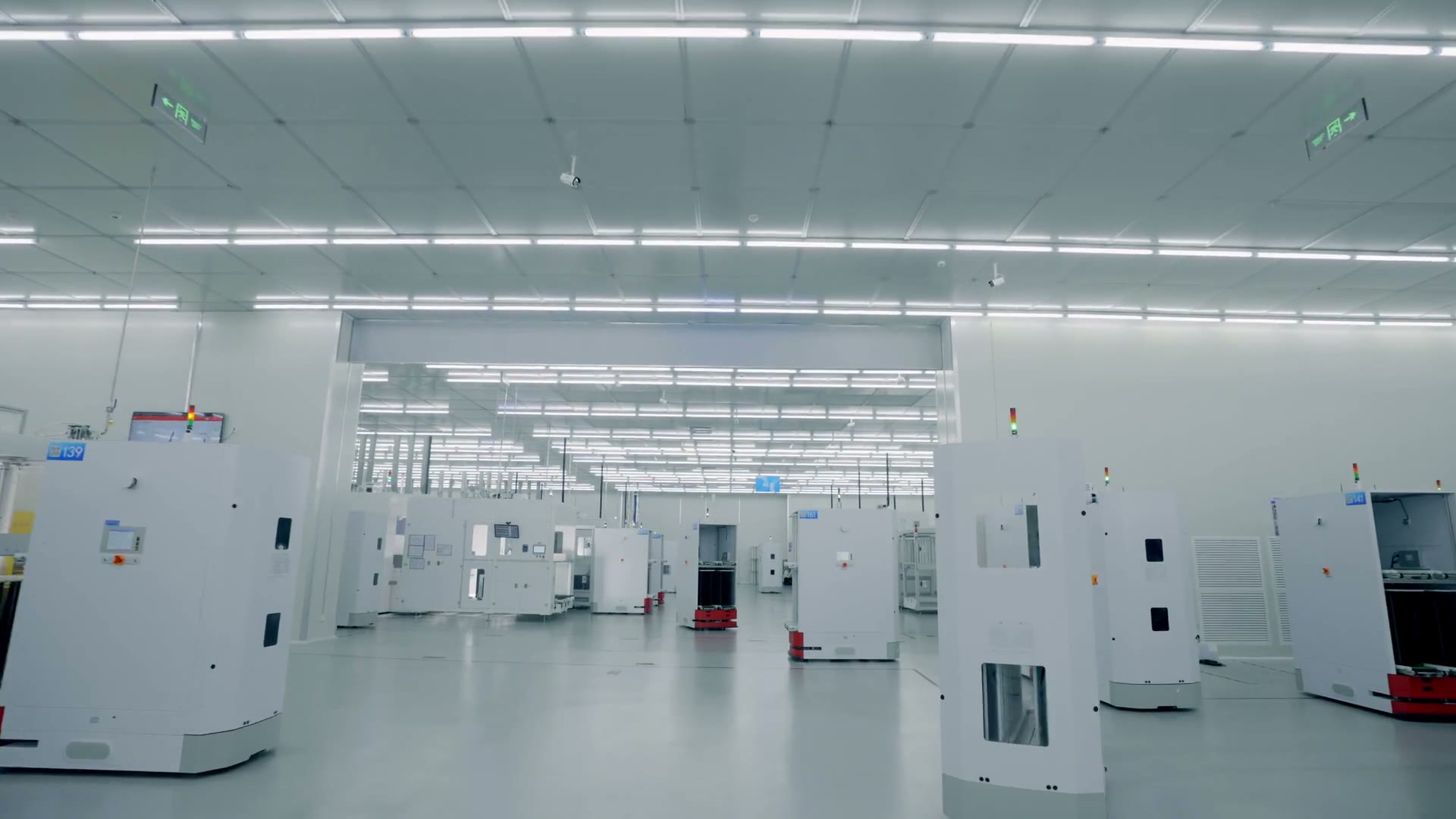
Work at the station
Inspection, inventory, maintenance, quality, and work execution each put different demands on the device, the mount, and the accessory kit. We specify by station, then look for the family that covers most of them.

Industries · Industry
We help manufacturers scope mobility, connected equipment, and — where the grid is part of the problem — site energy around plant conditions, existing systems, and the way work actually moves through the floor.
Written for
For the plant manager who owns output, and the engineering or systems owner who has to make production, quality, and maintenance data agree with each other.
Inspection, inventory, maintenance, quality, and work execution each put different demands on the device, the mount, and the accessory kit. We specify by station, then look for the family that covers most of them.
Equipment, people, and edge systems usually have somewhere to send data already. We map the path to your production or enterprise system and name who owns each interface before proposing a new one.
We qualify embedded intelligence and Industry 4.0 use cases against the data you hold, the response time the process allows, and a result you would act on.
Where power is a constraint, renewable generation and storage are assessed against site load and operating priorities — planned alongside the technology scope, never inside it.
Decisions this environment opens
Which of these you actually need depends on the site, the workflow, the systems already in place, the energy objective, and the commercial scope you want covered.
What this usually runs on
Classes, not models. We confirm exact brands and models against current supplier documentation during quote review.
| Layer | Piece |
|---|---|
| Hardware | Rugged handhelds and scanners for dedicated stations |
| Fleet software | Mobile device management (MDM) for enrollment and control, Insights for what the fleet is doing |
| Optional energy | Renewable generation and site storage, scoped as a second workstream |
| Portable power | S Series for isolated cells and commissioning work |
Where we take a position
Technology and energy work can run under one plan for one plant, and they should still keep separate technical, safety, commercial, and acceptance requirements. Blending them into a single sign-off is how an electrical delay becomes a device rollout delay.
Illustrative scenario
An illustrative program may connect mobile inspection work and equipment data to a governed cloud or edge environment, while separately assessing storage for the loads the plant cannot afford to drop.
This scenario shows how capabilities may connect. It does not represent a completed customer project or a guaranteed outcome.
Yes. We can plan both workstreams under one program while keeping their technical, safety, commercial, and acceptance requirements separate, so neither one holds up the other's sign-off.
Asked before selection
Next step
If you want the assembled version — hardware, fleet software, and deployment written as one scope — start with the manufacturing turnkey stack. The device and fleet decisions behind it sit in enterprise mobility and mobile device management, and systems integration is where the production and enterprise interfaces get named and owned. If the plant requirement is already defined by station and quantity, bring it into a quote review.
Manufacturing turnkey stack · Enterprise mobility · Book a Meeting
Share the environment, location, approximate quantity or capacity, and timeframe. We’ll identify the missing inputs and confirm the next useful commercial step. Pricing is not instant or binding.
Requirement still taking shape? Book a Meeting instead — no finished specification needed.