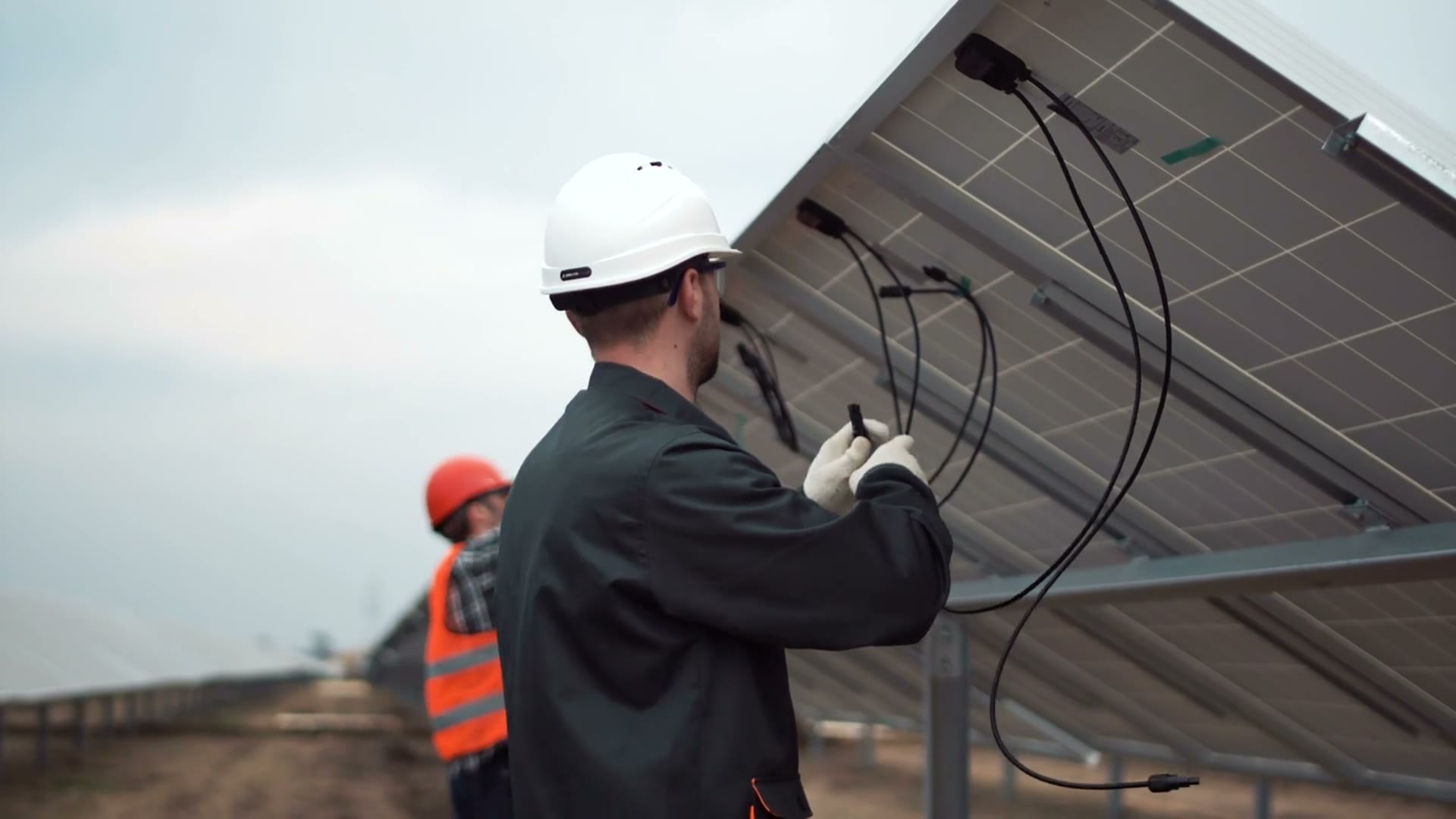
Define the application
We clarify what the system is for — backup, peak shaping, self-consumption, or supporting a constrained supply — because each one produces a different sizing.

Solutions · Energy solution
You know what has to stay running and for how long. We turn that into a specification: power, duration, duty cycle, operating environment, controls and interfaces, safety inputs, and the lifecycle responsibilities that follow the equipment after commissioning.
Who this is for
For operations that cannot afford a dark hour, and for sites shaping a load profile against tariffs, peaks, or an unreliable supply.
We clarify what the system is for — backup, peak shaping, self-consumption, or supporting a constrained supply — because each one produces a different sizing.
We specify the required power, discharge duration, cycling behavior, environment, controls, interfaces, and safety inputs as a single set of numbers.
We assess verified battery and storage categories against your duty cycle and environment rather than against marketing claims, and confirm each specification against current supplier documentation.
We address commissioning, monitoring, warranty boundaries, maintenance, replacement, and end-of-life handling while the scope is still being written.
Where we take a position
The same capacity behaves differently across one deep discharge a week and four shallow cycles a day, and that difference shows up in warranty terms and replacement timing rather than on the datasheet. Tell us the duty cycle and we can size honestly; without it, any number we give you is decoration.
Useful inputs
You do not need all of it. Tell us what you know, and we will tell you which of the rest actually changes the answer.
Where this runs
From the required power, discharge duration, duty cycle, load profile, operating environment, controls, losses, reserve assumptions, and lifecycle requirements. We verify those inputs for each project rather than scaling a previous one.
We evaluate available technologies against current supplier documentation and your project requirement. Chemistry, performance, safety, warranty, and certification claims are confirmed during quote review, and we reconfirm specifications before a binding quote.
Asked before the first call
Portable backup
Portable backup at stock-keeping-unit level lives on the S Series page: 1–2 kWh LiFePO4 power stations for benches, vans, and pop-up sites. This page is for site-level storage specified from load, duration, and duty cycle. They are different products and they fail in different ways.
Next step
If you need portable backup at stock-keeping-unit level, the S Series page is the faster route. If the requirement is a site load, bring the load profile and duration into a quote review and we will identify the missing inputs.
S Series power stations · Renewable infrastructure · Energy and utilities environments
Share the environment, location, approximate quantity or capacity, and timeframe. We’ll identify the missing inputs and confirm the next useful commercial step. Pricing is not instant or binding.
Requirement still taking shape? Book a Meeting instead — no finished specification needed.