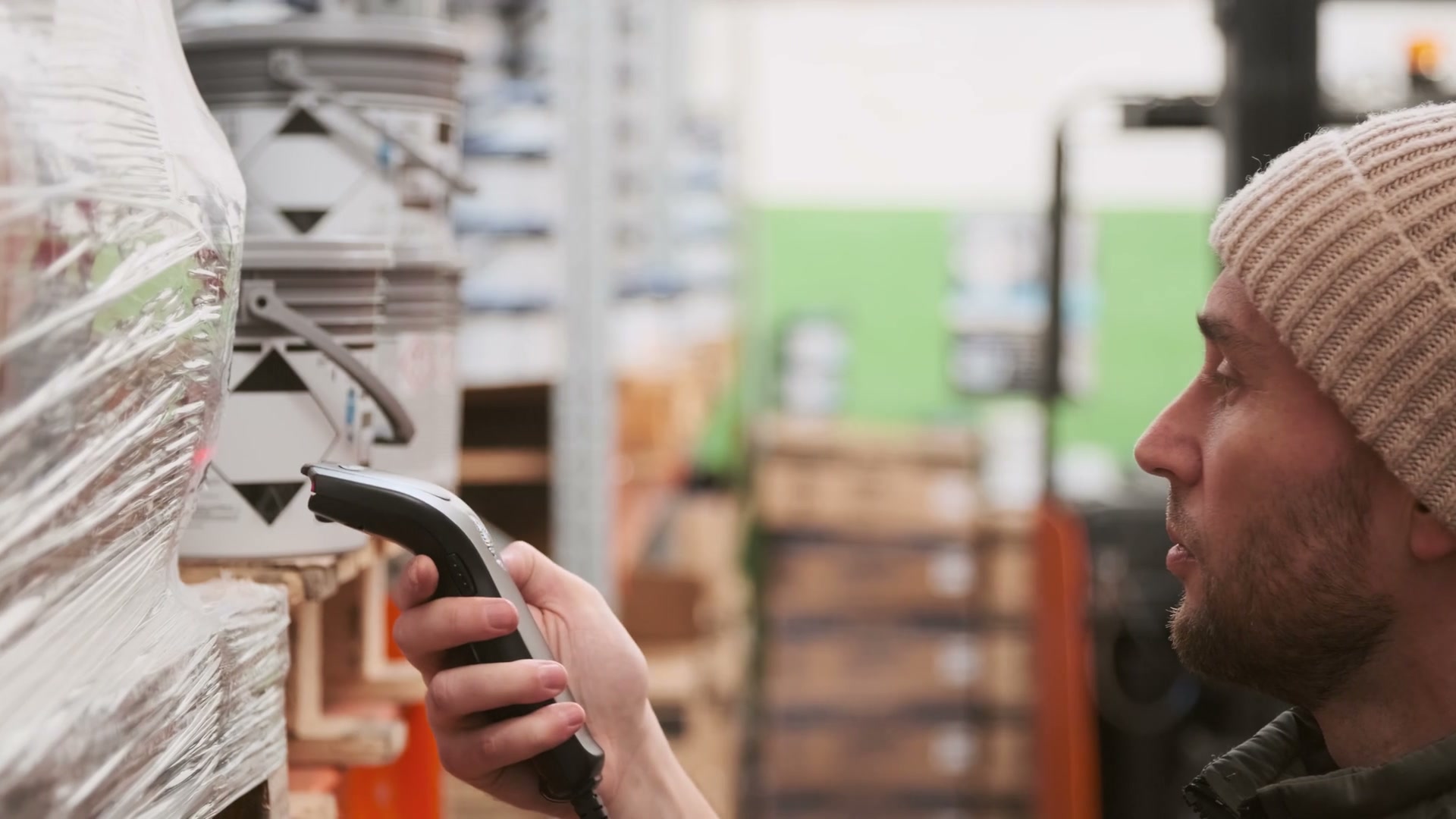
Work at the point of activity
Vehicle, doorstep, pole, or pop-up site: the environment sets drop rating, screen readability, glove use, and mounting before any model is discussed.

Industries · Industry
We help you define the devices, connectivity, access, and power that distributed crews and remote sites need — including what the application does while it is offline and how the work reconciles when the signal returns.
Written for
For the service or operations manager whose crews work away from a building, a wired network, and a charger.
Vehicle, doorstep, pole, or pop-up site: the environment sets drop rating, screen readability, glove use, and mounting before any model is discussed.
We define what the crew can complete without a signal and how it synchronizes afterwards. Wireless wide area networking (WWAN) covers the gaps it can; the application has to cover the rest.
Where equipment, vehicles, or unattended sites need to report, we define the events, connectivity, and receiving system as part of the same project.
Kits and pop-up sites need charging that does not assume a wall socket. Portable power stations are specified with the device fleet, not after it.
Decisions this environment opens
Which of these you actually need depends on the site, the workflow, the systems already in place, the energy objective, and the commercial scope you want covered.
What this usually runs on
Classes, not models. We confirm exact brands and models against current supplier documentation during quote review.
| Layer | Piece |
|---|---|
| Hardware | Rugged handhelds, and payment handhelds where crews collect on site |
| Connectivity | Wireless wide area networking (WWAN) with offline capture and a defined synchronization rule |
| Fleet software | Mobile device management (MDM); terminal management (TMS) only if payments travel in the van |
| Power | S1000, S1000 Pro, or S2000 Pro for kits and pop-up sites |
Where we take a position
Coverage maps describe the average day; crews are dispatched to the exceptions. We would rather scope local capture and a clear synchronization rule than specify a bigger data plan and hope the basement has signal.
Illustrative scenario
An illustrative field program may combine rugged mobile workflows, connected remote assets, controlled cloud access, and a separately engineered power arrangement for selected sites.
This scenario shows how capabilities may connect. It does not represent a completed customer project or a guaranteed outcome.
We capture connectivity constraints during discovery and use them to define device, application, edge, synchronization, and support requirements — so the crew can finish the job before the signal returns.
Asked before selection
Next step
The field turnkey stack is the quickest way to see how rugged handhelds, connectivity, mobile device management, and portable power fit into one scope. Deployment and support is where staging, spares, and the return path get agreed, which matters more when the fleet is spread across vans than when it sits in one building. If crew numbers, regions, and the application are settled, bring them into a quote review.
Field operations turnkey stack · S Series power stations · Mobile device management
Share the environment, location, approximate quantity or capacity, and timeframe. We’ll identify the missing inputs and confirm the next useful commercial step. Pricing is not instant or binding.
Requirement still taking shape? Book a Meeting instead — no finished specification needed.