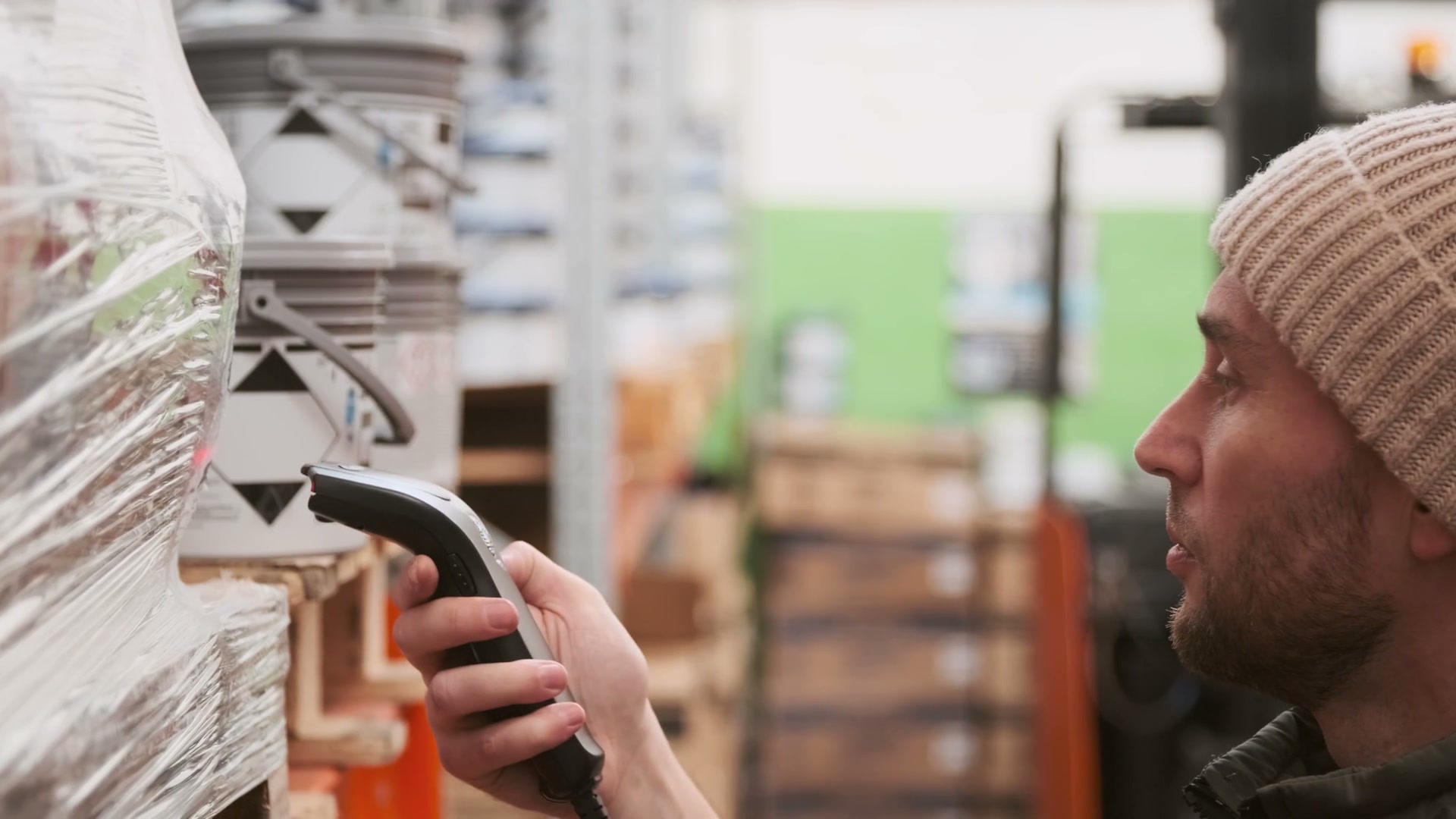
Work in progress, quality holds, maintenance rounds, and material movement all lose visibility when the record waits on a paper traveler. By the time the traveler reaches a desk, the decision it was meant to inform has already been made. The mobile device has to fit the station and the operator, connect to the application, and stay managed long after rollout week.
We write that mobility scope around the manufacturing job. When the site load also calls for an energy workstream, we can put both in one proposal while keeping the engineering, acceptance, and schedule for each one separate.
Stack used here
| Layer | Piece |
|---|---|
| Hardware | Rugged handhelds, scanners for dedicated stations |
| Software | Mobile device management, fleet insights |
| Optional energy | Renewable infrastructure and/or site storage |
| Portable power | S Series for isolated cells or commissioning |
The first decision is the workflow and its system of record; the device class follows from it. Embedded intelligence enters the scope only when there is a defined on-equipment decision to make.
Related: Manufacturing industry
FAQ
Can technology and energy be one proposal?
Yes, as two workstreams with two acceptance lists. Keep the device go-live date separate from the interconnection date.